
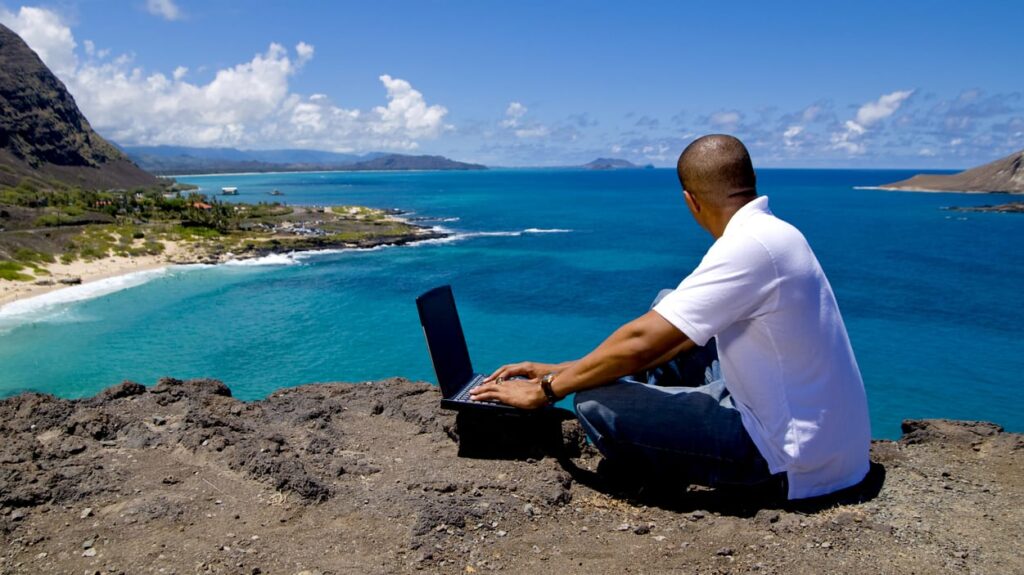
In recent years, a growing number of people have started blending travel with remote work, turning the world into their office. What was once a dream reserved for adventurous freelancers has now become a realistic lifestyle for professionals, entrepreneurs, and employees across various industries. With digital tools, global connectivity, and flexible work policies, remote work has made it possible for individuals to explore new destinations while continuing their careers.
This lifestyle shift isn’t driven by travel alone—it’s driven by a desire for more freedom, balance, inspiration, and meaningful life experiences. People are reconsidering the traditional model of working from the same location year after year. Instead, they’re choosing to design a life that includes both career growth and exploration. In this article, we explore why more people are embracing the remote-work-and-travel lifestyle, the benefits it offers, and how individuals are making it work successfully.
The Desire for Greater Freedom and Flexibility
One of the biggest reasons people mix travel with work is the pursuit of freedom. Remote work has removed geographical limits, making it possible to choose where to live, work, or travel. Instead of waiting for short vacations once or twice a year, many are choosing a lifestyle that allows them to enjoy travel year-round.
This flexibility creates a sense of independence and control over one’s lifestyle. People can choose locations based on personal preferences—such as beaches, mountains, cities with cultural richness, or places with a lower cost of living. Living and working abroad also exposes individuals to new environments that can stimulate creativity and fresh thinking, which often enhances their professional performance.
Global Connectivity Has Made It Easier
Technology has played a huge role in enabling this lifestyle. With video calls, cloud platforms, online collaboration tools, and remote communication, work can be done from almost anywhere. Many companies now embrace distributed teams, giving employees the freedom to work outside traditional offices.
Businesses around the world are also adapting. Co-working spaces, travel-friendly accommodations, and communities designed for digital workers have grown rapidly. These spaces offer reliable Wi-Fi, networking events, and social opportunities—making it easier to stay productive while exploring new places.
According to a report by Harvard Business Review, remote work is reshaping global workplace culture, boosting employee satisfaction, and increasing access to skilled talent across borders: https://hbr.org/2024/01/the-future-of-flexible-work-arrangements
This shift has opened doors for people who want more than a routine lifestyle, allowing them to build careers that fit their personal goals rather than the other way around.
The Rise of Digital Nomads
A new global identity has emerged: the digital nomad. Digital nomads use technology to earn a living while traveling to different countries. Some stay in one location for months before moving again, while others prefer a faster pace, exploring multiple destinations each year.
Digital nomads include:
- Remote employees
- Freelancers and creatives
- Online business owners
- Coaches and consultants
- Tech professionals and marketers
What attracts people to this lifestyle is the opportunity to experience cultural diversity, meet new people, and discover new perspectives. Travel becomes more meaningful when it’s part of daily life, not just a break from work. Read More Leatheling.com
Blending Work and Travel: A New Kind of Balance
While travel and work may sound like the perfect combination, the key to making it sustainable is balance. Many individuals adopting this lifestyle aim to structure their day in a way that allows time for both productivity and personal exploration. This is where intentional routines become useful.
Some people choose to work early mornings and spend afternoons exploring. Others work in the evenings when inspiration is high. Many digital nomads rely on time-blocking, co-working spaces, or location-based schedules that consider time zones.
For practical travel-focused work-life tips, many readers explore helpful insights at Leatheling Travel Ideas to learn how to maintain balance, manage routines abroad, and stay productive while enjoying a flexible lifestyle.
Balancing flexibility with work requires discipline, but it also makes life more fulfilling. People get to immerse themselves in new environments while maintaining career growth—showing that productivity doesn’t need to be tied to a fixed location.
Better Quality of Life and Personal Growth
Travel naturally encourages personal development. Being in a new place, learning new customs, or adapting to a different culture pushes individuals to grow mentally and emotionally. Many people report feeling more open-minded, confident, and inspired after traveling.
Remote workers who travel often experience:
- Reduced stress and burnout
- Increased creativity and motivation
- A stronger sense of purpose
- Better mental well-being
Exposure to different lifestyles also broadens perspective. People discover that success isn’t defined by working long hours in one location—it’s about designing a life that aligns with personal values and happiness.
More Affordable Than Many Expect
A surprising truth is that mixing travel with work can sometimes be cheaper than staying in one place. Many remote workers choose countries with a lower cost of living, where high living expenses are replaced with more affordable lifestyles abroad. Their income stretches further, allowing them to enjoy activities, dining, and experiences that may be expensive in their home country.
Countries in Asia, Europe, South America, and Africa are now offering remote work visas, tax benefits, or travel-friendly regulations to attract digital workers. This makes the lifestyle not only enjoyable but also economically sustainable for many.
Building Global Connections and Community
Traveling while working connects people with individuals from around the world. There are thriving digital nomad communities in places like Bali, Lisbon, Chiang Mai, Mexico City, and Medellín. These hubs allow remote workers to form friendships, collaborate on projects, or simply share experiences with like-minded individuals.
Many remote workers say the friendships and connections they build abroad are some of the most valuable parts of the lifestyle.
Final Thoughts
The rise of remote work has changed the way people view travel, career, and lifestyle. More people are discovering that they don’t have to choose between building a successful career and exploring the world—they can do both. With the right balance, discipline, and tools, blending travel with work can lead to a life filled with adventure, growth, and meaningful experiences.
This movement isn’t a trend—it’s a long-term shift in how people define success and live life. For many, the world has truly become their workplace, and the journey is just beginning.