
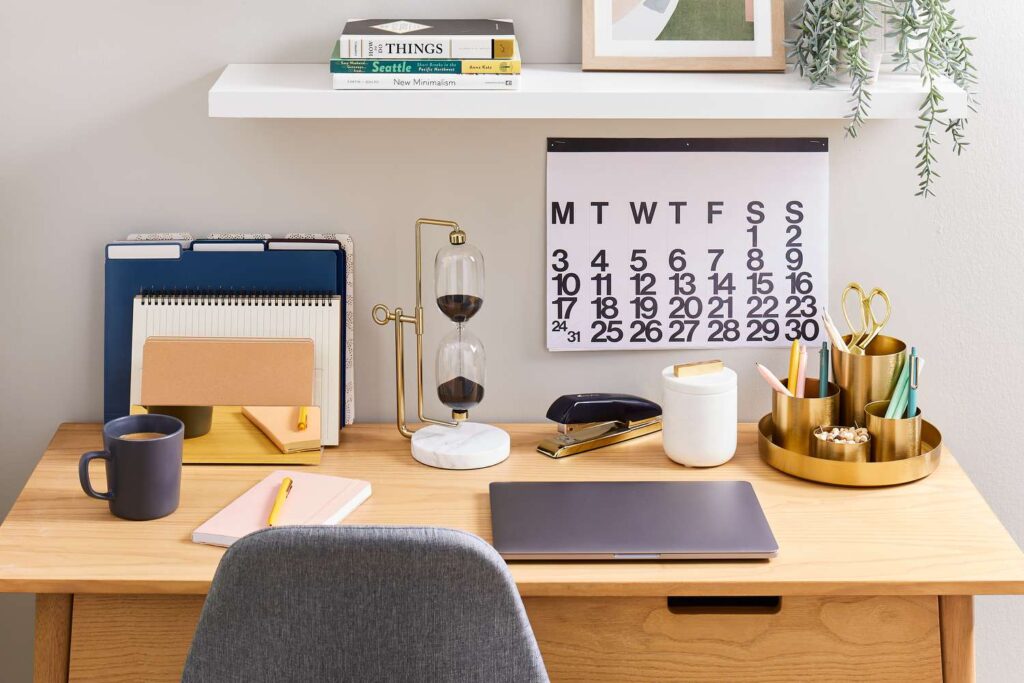
In an age where we spend most of our days surrounded by screens, cables, and a constant flow of information, the space around us matters more than we often realize. A well-designed workspace isn’t just about aesthetics it directly affects focus, creativity, and even motivation. Whether you’re building a home office, designing a startup hub, or refreshing a tech-driven environment like those featured on Kongotech, the right visuals Design can help shift the atmosphere from “just functional” to “deeply inspiring.”
The Power of Visuals in a Tech-Centered Environment
Tech setups are evolving faster than ever dual monitor rigs, VR areas, collaborative corners, and minimalist standing desks. But even with the best equipment, a space can feel bland or disconnected if it lacks personality. That’s where thoughtfully chosen visuals come in. From typography art to workflow diagrams to bold motivational graphics, the right display can anchor your identity and improve how you think and work.
This is where a printable poster becomes incredibly useful. Being able to instantly customize something that aligns with your style, goals, or brand makes it easier to bring intention into your workspace. Instead of settling for generic wall art, you can craft visuals that reflect what drives you whether that’s innovation, clarity, or pure creativity.
Why Posters Still Matter in a Digital World
It’s easy to undervalue printed visuals when almost everything we interact with is digital. But print has a unique psychological effect: it’s grounding. Unlike a screen, a printed design doesn’t compete for your attention. It sits quietly, shaping the energy of a room.
For people in tech, posters can serve different purposes:
- Focus signals: Minimalist posters that reinforce priorities or highlight core values.
- Workflow clarity: Diagrams of processes, roadmaps, or frameworks you use daily.
- Aesthetic balance: Colors and shapes that soften the “coldness” of tech gear.
- Identity expression: Artwork inspired by your favorite tools, technologies, or creators.
A tech-heavy setup can easily feel overwhelming. Print brings warmth and a sense of presence to the room, something screens can’t replicate.
Designing Posters That Actually Improve Your Space
Not all posters add value. Some clutter a room or distract more than they inspire. When designing and choosing visuals, here are a few expert-approved guidelines:
1. Prioritize Purpose Over Decoration
Ask yourself: What gaps exist in this workspace?
Is it lacking inspiration? Clarity? Personality? Comfort?
A poster with intention behind it will always have more impact.
For example, if you’re learning a new coding language, a simple cheat sheet poster can become a helpful reference point. If motivation dips during long projects, a bold but clean quote placed at eye level can provide a subtle emotional lift without feeling cheesy.
2. Stick to a Color Palette
Chaos in color leads to chaos in thought.
Match your poster colors to your setup: your LED lights, your walls, your desk surface, or your chair. Even just picking complementary tones helps your space feel curated rather than chaotic.
A common approach for tech spaces:
- Neutrals (black, gray, white)
- One accent color (blue, green, or orange are popular choices)
3. Keep Typography Clean
Readable fonts matter. Thick, modern sans-serifs often pair well with tech themes. Avoid over-decorative styles that distract from the message or clash with a sleek setup.
4. Use Visual Hierarchy Wisely
Your eyes should know where to look first.
Whether it’s a title, a diagram, or a keyword, let the design breathe. White space is your friend especially Design in productivity environments.
Bringing Personality Into Tech Spaces
One of the best parts of customizing your workspace is the chance to tell your story through it.
Retro gaming designs might spark your creativity.
Sci-fi art could be the visual push that motivates you.
Geometric shapes may be what help you stay focused.
And sometimes, a calming landscape is all you need to balance the intensity of long development sessions.
A workspace should reflect whoever uses it. When visitors walk into the room coworkers, friends, or collaborators your visuals should instantly communicate what matters to you.
Real-World Example: A Small Change, Big Shift
A developer I once worked with had a clean but uninspiring office. He always felt drained halfway through the afternoon. After experimenting with decor, he added just two posters:
- A clean, minimalist diagram of his weekly development pipeline
- A calming blue abstract print placed across from his screens
Within a week, he said his energy felt noticeably more stable. The pipeline helped him context-switch less, and the abstract print gave his eyes a soft place to rest.
Small change. Big difference.
Tips for Placing Posters in Your Workspace
Where you put a poster matters as much as the design itself.
- Behind your monitor: Subtle, calm visuals work best nothing too bright.
- Adjacent wall: Great for motivational or process-driven posters.
- Entry wall: Perfect for identity-driven designs that set the room’s tone.
- Creative corner: Use bold, colorful posters to spark new ideas.
The goal is to balance encouraging your mind to stay engaged but not overstimulated.
Final Thoughts
As tech continues to push boundaries, our workspaces should evolve as intentionally as our devices do. Visual design is one of the easiest, most transformative ways to refresh your environment without major renovations or expensive upgrades. Whether you’re aiming for productivity, calm, creativity, or professionalism, the right prints can help shape a space that supports you rather than drains you.